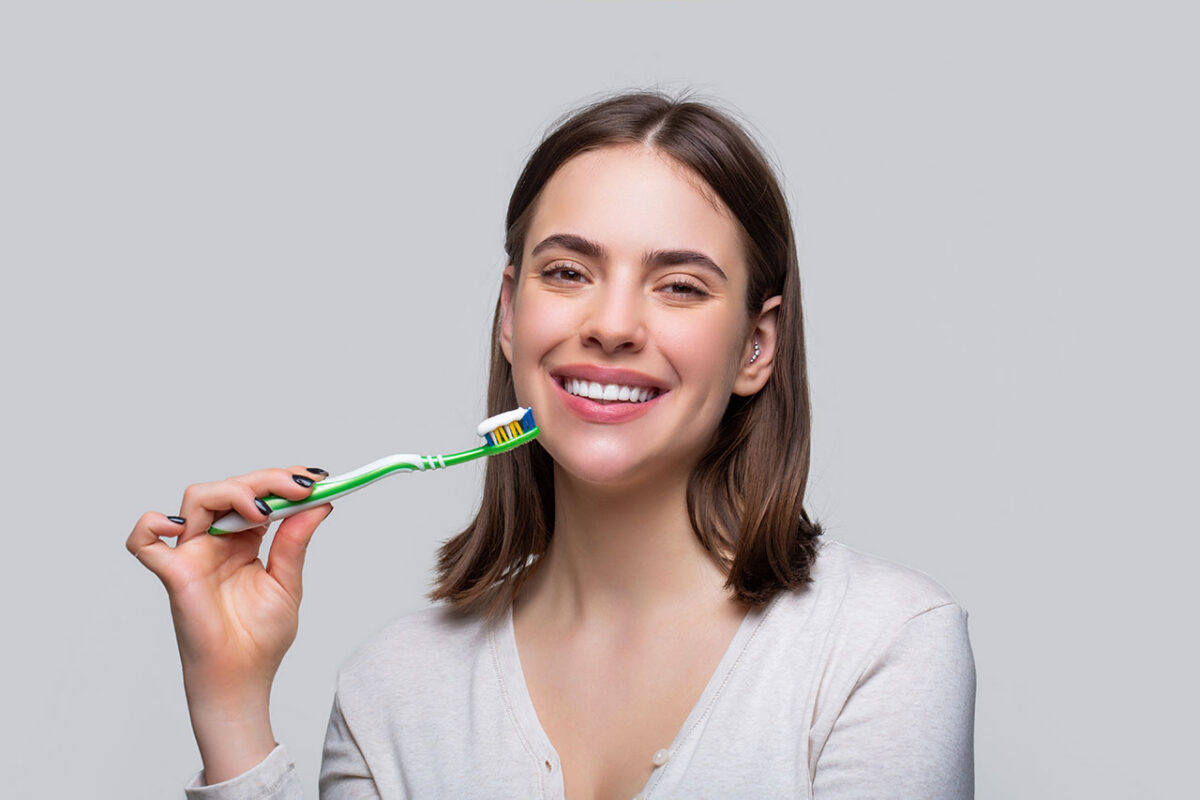

Emergency Dental Care in Pagosa Springs: What to Do When Tooth Pain Cannot Wait

Dental pain has a way of taking over your day. It can interrupt meals, sleep, work, travel, and family plans without warning. When a tooth breaks, swelling appears, or pain becomes difficult to ignore, emergency dental care can help you get relief and prevent the problem from getting worse.

Emergency dental care is for urgent dental problems that need prompt attention. These may include severe toothaches, broken teeth, knocked-out teeth, dental abscesses, facial swelling, lost fillings, damaged crowns, bleeding, injuries to the mouth, and pain when biting. While not every dental concern is life-threatening, many dental emergencies should be evaluated quickly.

In Pagosa Springs, emergency dental care is especially valuable because unexpected dental problems rarely happen at convenient times. A tooth may crack during dinner, a child may fall during an activity, or swelling may appear over a weekend. Knowing what to do can make the situation feel less frightening.

At Black Diamond Dental, emergency dental care in Pagosa Springs focuses on fast guidance, comfort, and clear treatment options. The first priority is to understand what is happening, reduce pain when possible, and help you protect your oral health.

What Counts as a Dental Emergency?

A dental emergency is any situation involving significant pain, infection, injury, bleeding, or damage that should not wait for a routine appointment. Severe tooth pain is one of the most common reasons patients seek emergency dental care. Pain may be constant, throbbing, sharp, or triggered by biting or temperature.

Swelling in the gums, jaw, or face can also be urgent, especially if it is spreading or accompanied by fever, difficulty swallowing, or difficulty breathing. These symptoms may indicate infection and should be taken seriously.

A broken tooth may need emergency dental care if it causes pain, exposes the inner tooth, creates a sharp edge, or affects your ability to chew. Even if the tooth does not hurt, a fracture can allow bacteria to enter and may worsen over time.

A knocked-out permanent tooth requires immediate attention. The sooner the tooth is handled properly and evaluated by a dentist, the better the chance of saving it. In addition, injuries to the lips, gums, tongue, or jaw may need prompt care, especially if bleeding does not stop.

Lost fillings or crowns can also become urgent when the exposed tooth is sensitive or vulnerable to damage. While some cases can wait briefly, calling a dental office for guidance is the safest choice.

What to Do Before You Reach the Dentist

The right first step depends on the type of emergency. If you have a severe toothache, rinse gently with warm water and floss around the area to remove any trapped food. Avoid placing aspirin directly on the gums because it can irritate the tissue. Over-the-counter pain relief may help temporarily if it is safe for you to take, but it does not replace dental treatment.

If a tooth breaks, save any pieces if possible. Rinse your mouth gently and avoid chewing on that side. If a sharp edge is irritating your cheek or tongue, dental wax from a pharmacy may provide temporary protection. However, the tooth still needs evaluation.

If a permanent tooth is knocked out, hold it by the crown, not the root. If it is dirty, rinse it gently with milk or saline if available. Do not scrub it. Try to place it back into the socket if you can do so safely. If not, keep it moist in milk or saliva and contact a dentist immediately.

For swelling, a cold compress on the outside of the face may help with discomfort. However, swelling related to infection needs urgent evaluation. If swelling affects breathing or swallowing, seek emergency medical care right away.

If a crown comes off, place it in a small bag and bring it to your appointment. Do not use household glue to reattach it. Your dentist can determine whether it can be recemented or needs replacement.

Why Prompt Emergency Dental Care Matters

Dental emergencies can progress quickly. A toothache may be caused by deep decay, infection, a crack, or inflammation inside the tooth. Without treatment, pain may worsen and infection may spread. Emergency dental care helps identify the cause rather than masking symptoms.

In addition, prompt care can sometimes save a tooth. A cracked tooth may be protected with a crown if treated early. A knocked-out tooth may have a better chance if addressed quickly. A lost filling may be repaired before the tooth breaks further.

Emergency dental care also helps prevent unnecessary stress. When you are in pain, it is difficult to think clearly. A dental team can explain what is happening, what can be done immediately, and what longer-term treatment may be needed. That clarity can be reassuring during a stressful moment.

Another reason to call quickly is that dental pain often does not resolve on its own. Symptoms may temporarily fade if pressure drains or the nerve changes, but the underlying problem can remain. Therefore, waiting for pain to disappear can create a false sense of safety.

Common Emergency Dental Treatments

The treatment you need depends on the diagnosis. For deep decay or infection inside a tooth, root canal therapy may be recommended to remove infected tissue and preserve the natural tooth. Despite its reputation, modern root canal treatment is designed to relieve pain, not cause it.

If a tooth is too damaged to repair, an extraction may be necessary. Your dentist can explain replacement options, such as an implant, bridge, or partial denture, after the immediate problem is addressed.

For broken teeth, treatment may include bonding, a filling, a crown, or another restoration. If the fracture is small, a conservative repair may be possible. However, deeper cracks need careful evaluation.

For dental abscesses, treatment may involve draining the infection, root canal therapy, extraction, medication, or a combination of care. Antibiotics may be used in certain cases, but they usually do not solve the source of the dental infection on their own.

If a crown or filling is lost, your dentist may replace the restoration, repair the tooth, or recommend a crown if the tooth has become weakened. For injuries, treatment may involve stabilizing teeth, smoothing sharp edges, repairing soft tissue, and monitoring healing.

Reducing the Risk of Future Emergencies

Not every dental emergency can be prevented, but many can be reduced with consistent care. Regular dental exams help identify cavities, cracks, gum disease, and failing restorations before they become painful. Professional cleanings also support healthier gums and make it easier to spot changes early.

Wearing a mouthguard during sports or high-risk activities can help protect teeth from injury. In addition, a custom night guard may be recommended if you grind or clench your teeth. Grinding can weaken enamel, crack restorations, and contribute to sudden tooth fractures.

Avoiding chewing ice, hard candy, pens, and non-food objects can also lower the risk of cracks. If you have older fillings or crowns, routine checks are important because worn dental work can fail unexpectedly.

Home care matters too. Brushing twice daily, cleaning between teeth, and managing dry mouth can reduce decay risk. Meanwhile, addressing sensitivity or mild pain early can prevent urgent situations later.

The Relief and Protection Emergency Care Provides

Emergency dental care offers several important advantages. First, it helps relieve pain and identify the source of discomfort. Second, it can reduce the risk of infection spreading. Third, it may improve the chance of saving damaged or injured teeth. In addition, it gives patients clear instructions during moments that can feel overwhelming.

Emergency dental care can also protect long-term function. When damaged teeth are repaired promptly, patients may avoid more complex treatment. When infection is treated, surrounding teeth and tissues are better protected. Most importantly, urgent care helps restore a sense of control.

Help When Dental Pain Cannot Wait

A dental emergency can feel stressful, but you do not have to manage it alone. Prompt evaluation can help relieve discomfort, protect your oral health, and give you a clear plan for what comes next.

Black Diamond Dental in Pagosa Springs is here to help with emergency dental care when tooth pain, swelling, or damage cannot wait. Book an Appointment with Black Diamond Dental in Pagosa Springs for urgent guidance and supportive care.
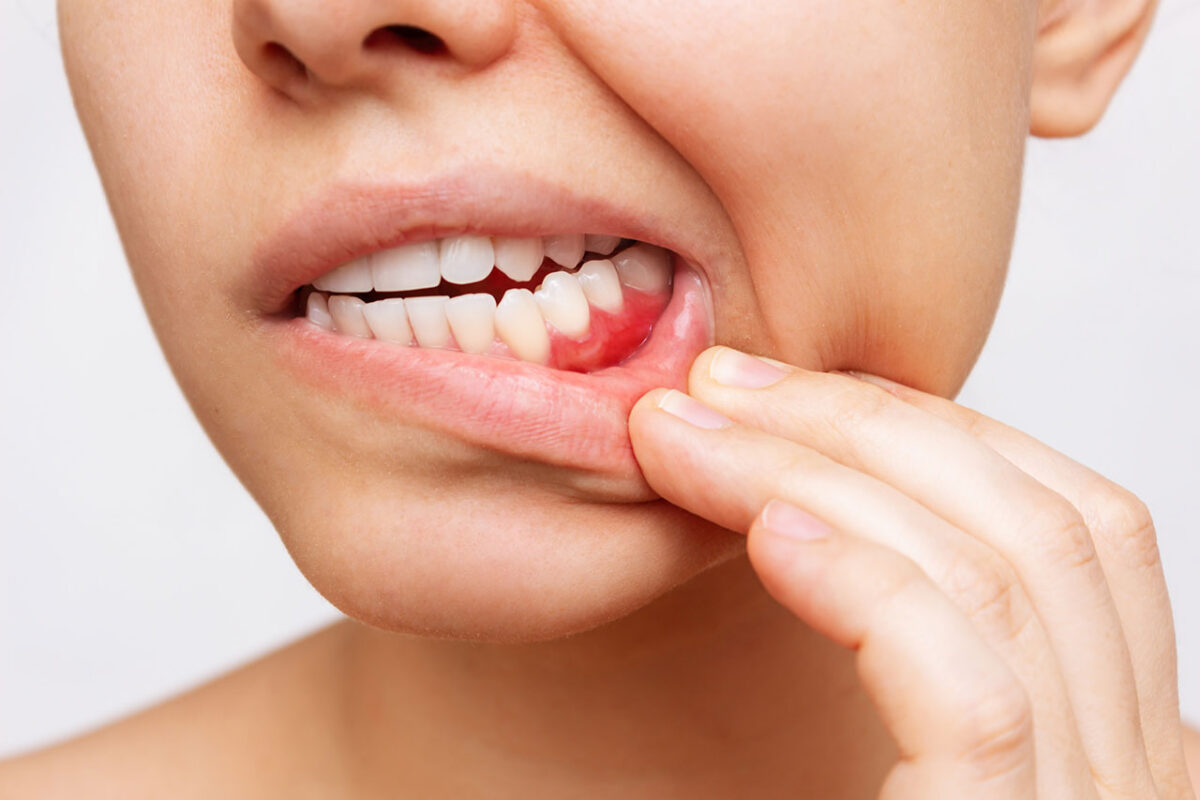

Periodontal Treatments in Pagosa Springs: Why Healthy Gums Deserve Attention

When most people think about dental health, they picture teeth first. However, your gums are the support system that helps keep those teeth stable, comfortable, and protected. Periodontal treatments focus on the health of the gums and the bone around the teeth, which makes them an essential part of long-term oral wellness.

Gum problems can begin quietly. You may notice bleeding when brushing, tenderness, swelling, persistent bad breath, or gum recession. However, some patients have periodontal disease without obvious discomfort. Because early signs can be easy to overlook, routine dental visits and gum evaluations are important.

Periodontal treatments may include deep cleanings, scaling and root planing, localized antibacterial therapy, maintenance cleanings, home care coaching, bite evaluations, and referrals for advanced gum procedures when needed. The purpose is to reduce harmful bacteria, calm inflammation, protect the bone that supports the teeth, and help you maintain a healthier mouth.

For patients in Pagosa Springs, periodontal treatments can help prevent gum concerns from becoming more serious. Whether you have early gum inflammation or need ongoing periodontal maintenance, Black Diamond Dental can help you understand what is happening and what can be done about it.

Why Gum Health Matters

Gums do more than frame your smile. They help seal and protect the areas around your teeth. When plaque and bacteria collect along the gumline, the gums can become inflamed. This early stage is often called gingivitis. At this point, the gums may bleed, feel tender, or appear puffy. Fortunately, early gum inflammation can often improve with professional cleaning and better home care.

However, if inflammation continues, it can progress into periodontal disease. In periodontal disease, the tissues and bone supporting the teeth may become damaged. Pockets can form between the teeth and gums, creating spaces where bacteria collect. Over time, this can lead to gum recession, loose teeth, changes in bite, and tooth loss.

Because gum disease can progress slowly, patients may not realize how much support has been affected until the condition is more advanced. Therefore, periodontal measurements are an important part of dental exams. These measurements help your dentist understand whether your gums are healthy, inflamed, or showing signs of deeper pocketing.

Healthy gums also make other dental treatments more predictable. Restorative dentistry, cosmetic dentistry, dental implants, bridges, crowns, and dentures all benefit from a stable oral foundation. When gum health is ignored, even well-made dental work may be harder to maintain.

Signs You May Need Periodontal Treatments

Bleeding gums are one of the most common warning signs. Although many people assume bleeding during brushing or flossing is normal, it often means the gum tissue is irritated. Tenderness, redness, swelling, and sensitivity along the gumline can also signal inflammation.

Persistent bad breath may be another sign. While bad breath can have many causes, bacteria below the gumline can contribute to an ongoing unpleasant taste or odor. In addition, gum recession can make teeth look longer and may expose root surfaces that are more sensitive to temperature.

Loose teeth, shifting teeth, or changes in the way your bite feels should be evaluated promptly. These symptoms can indicate that the support around the teeth has been affected. Pus, swelling, or pain in the gums may suggest infection and should not be ignored.

However, it is possible to need periodontal treatments even without obvious symptoms. Some patients do not notice discomfort until periodontal disease is more advanced. This is why dental exams, gum measurements, and X-rays are valuable. They allow your dentist to identify concerns early and recommend the right level of care.

Risk factors can also increase the likelihood of gum problems. Tobacco use, diabetes, dry mouth, certain medications, genetics, crowded teeth, stress, and inconsistent home care may all play a role. Because risk factors vary, periodontal care should be customized.

What Periodontal Treatments May Include

The right periodontal treatment depends on the stage and severity of the condition. For mild gum inflammation, a professional cleaning and improved home care may be enough. Your dental team may review brushing technique, flossing, interdental brushes, water flossers, or antimicrobial rinses.

For deeper gum pockets, scaling and root planing may be recommended. This treatment is often called a deep cleaning. It removes plaque and tartar from below the gumline and smooths root surfaces so the gums can heal more effectively. Local anesthetic may be used to keep the visit comfortable.

In some cases, localized antibacterial medication may be placed in deeper pockets to help reduce bacteria. Your dentist may also recommend periodontal maintenance visits after active treatment. These visits are usually scheduled more often than standard cleanings because periodontal disease requires ongoing management.

Periodontal treatments may also involve evaluating your bite. If certain teeth are taking too much pressure, gum and bone support may be affected. In addition, patients who grind or clench may need a custom night guard to reduce stress on the teeth and supporting tissues.

For advanced cases, a referral to a periodontal specialist may be recommended. This does not mean you have done anything wrong. It simply means your gums may need more specialized care to stabilize your oral health.

What to Expect During Periodontal Care

A periodontal evaluation usually begins with a conversation about your symptoms, health history, medications, and home care habits. Then, your dentist or hygienist measures the spaces between your teeth and gums. These measurements help determine whether gum pockets are healthy or too deep.

Digital X-rays may be used to evaluate bone levels around the teeth. In addition, your dental team may check for plaque buildup, tartar, bleeding, recession, tooth mobility, and bite concerns. After the evaluation, you should receive a clear explanation of what was found.

If scaling and root planing is recommended, treatment may be divided into sections of the mouth. This allows the team to work thoroughly while keeping you comfortable. After treatment, your gums may feel tender for a short time, but many patients notice that bleeding and swelling improve as healing begins.

Home care is also a major part of periodontal treatments. Your dental team may suggest specific tools or techniques based on your mouth. For example, someone with wider spaces between teeth may benefit from interdental brushes, while another patient may need flossing guidance around tight contacts or dental work.

Follow-up visits help determine how your gums are responding. If pockets shrink and bleeding decreases, your periodontal treatments are working. If some areas remain inflamed, your dentist may recommend additional care.

Long-Term Value of Healthier Gums

Periodontal treatments can offer important long-term advantages. First, they help reduce inflammation and harmful bacteria around the teeth. Second, they help protect the bone and tissue that keep teeth stable. Third, they can reduce bleeding, swelling, tenderness, and persistent bad breath related to gum disease.

In addition, healthier gums make it easier to maintain dental work. Crowns, bridges, implants, fillings, and cosmetic restorations all need clean, stable surroundings. When gum health improves, home care may become easier and dental visits may feel more predictable.

Periodontal treatments can also help preserve natural teeth. Since gum disease is a major cause of tooth loss in adults, managing it early can make a meaningful difference. While lost bone cannot always be fully restored, treatment can often slow or stop progression and help protect what remains.

Another benefit is greater awareness. Once patients understand their gum health, they often feel more in control. Instead of wondering why gums bleed or breath feels less fresh, they can follow a plan and measure improvement over time.

Give Your Gums the Care They Need

Healthy gums are easy to overlook, but they are essential for a strong, comfortable smile. If you have noticed bleeding, swelling, recession, or changes in your bite, periodontal treatments can help you get answers and a plan.

Black Diamond Dental in Pagosa Springs provides supportive periodontal treatments designed to protect your oral health for the long term. Book an Appointment with Black Diamond Dental in Pagosa Springs and take a proactive step toward healthier gums.

Cosmetic Dentistry in Pagosa Springs: A Natural Approach to Refreshing Your Smile

What would it feel like to make a small change to your smile and still look completely like yourself? For many patients, cosmetic dentistry is not about creating a dramatic or artificial look. Instead, it is about refining details, improving balance, and helping your smile reflect the way you want to feel.

Cosmetic dentistry can include professional whitening, dental bonding, porcelain veneers, clear aligner therapy, enamel reshaping, gum contouring, and complete smile makeover planning. However, the best cosmetic dentistry is personalized. A treatment that looks beautiful for one person may not be the right fit for another. Your facial features, tooth shape, skin tone, bite, oral health, and goals all matter.

In Pagosa Springs, many patients want cosmetic dentistry that feels natural, comfortable, and realistic. They may want brighter teeth before an event, repair for a chipped tooth, a more balanced smile line, or a long-term plan for several concerns. Whatever the goal, thoughtful cosmetic dentistry should begin with listening.

At Black Diamond Dental, cosmetic dentistry in Pagosa Springs focuses on natural-looking improvements, honest recommendations, and treatment plans that support oral health as well as appearance. Because your smile is personal, your cosmetic plan should be personal too.

Cosmetic Dentistry Starts With Healthy Foundations

Before beginning cosmetic dentistry, your dentist will usually evaluate your teeth and gums. This matters because cosmetic improvements last longer and look better when the foundation is healthy. For example, whitening may not be ideal if untreated cavities or gum inflammation are present. Veneers may not be recommended until bite issues, grinding, or weakened teeth are addressed.

In addition, healthy gums frame the teeth. If the gums are swollen, irritated, or uneven due to inflammation, cosmetic dentistry may not deliver the best result. Therefore, preventive care or periodontal treatment may come first. This does not mean cosmetic goals are out of reach. It simply means your dentist is helping you build a healthier foundation.

A cosmetic consultation often includes a conversation about what you like, what you would change, and what kind of result feels right to you. Some patients want subtle improvements that friends and family may notice only as a refreshed look. Others want a more noticeable transformation. Neither choice is wrong. The key is matching the treatment to your preferences.

Your dentist may also discuss tooth color, proportions, symmetry, alignment, spacing, and how your teeth show when you smile or speak. Because cosmetic dentistry blends art and function, the most natural-looking results often come from careful planning rather than a one-size-fits-all approach.

Popular Cosmetic Dentistry Treatments

Professional teeth whitening is one of the most common cosmetic dentistry treatments. It can lift stains caused by coffee, tea, wine, tobacco, aging, and everyday foods. Compared with over-the-counter products, professional whitening is supervised and designed to deliver more predictable results. However, whitening does not change the color of crowns, veneers, or fillings, so your dentist may help you plan around existing dental work.

Dental bonding is another versatile option. With bonding, tooth-colored composite material is shaped directly onto the tooth. It can improve small chips, minor gaps, rough edges, discoloration, and uneven shapes. In many cases, bonding can be completed in one visit. Although bonding may not last as long as porcelain, it is often a conservative and budget-friendly choice.

Porcelain veneers can address several cosmetic concerns at once, including tooth color, shape, size, spacing, and minor alignment issues. Veneers are thin shells that attach to the front of the teeth. They require careful design because they change the appearance of your smile in a lasting way. Therefore, planning is especially important.

Clear aligner therapy can improve tooth alignment without traditional braces for many patients. Straighter teeth can enhance appearance, but they can also make cleaning easier and improve bite balance. Because alignment affects both function and aesthetics, clear aligners can be part of cosmetic dentistry and overall oral health planning.

Choosing the Right Cosmetic Option

The right cosmetic dentistry treatment depends on your goals, timeline, budget, and oral health. If your main concern is tooth color, whitening may be the simplest starting point. However, if your teeth have deep discoloration, chips, or shape concerns, bonding or veneers may be more effective.

If alignment is the concern, clear aligners may be recommended. Although aligners take longer than bonding or whitening, they can create changes that are difficult to achieve with surface treatments alone. In addition, moving teeth into better positions may reduce the need to reshape or cover them.

For patients with several concerns, a phased plan can be helpful. For example, your dentist may recommend gum health care first, whitening second, and bonding or veneers afterward. This sequence can help ensure that the final shade, shape, and proportions work together.

It is also important to discuss maintenance. Whitening results may need touch-ups. Bonding can stain or chip over time. Veneers require healthy home care and regular dental visits. Clear aligners often require retainers afterward. When you understand what each option involves, you can choose cosmetic dentistry with realistic expectations.

A good cosmetic dentist should also tell you when less treatment is better. Sometimes a small amount of bonding or whitening can create the change you want. In other cases, a bigger plan may be more predictable. Honest guidance helps prevent over-treatment and supports a result that feels natural.

How Cosmetic Dentistry Can Support More Than Appearance

Cosmetic dentistry is often associated with appearance, but it can also support comfort, function, and oral health. For example, repairing a chipped tooth with bonding can smooth a rough edge and help prevent further wear. Aligning crowded teeth can make brushing and flossing easier. Replacing worn or uneven restorations can improve the way your bite feels.

In addition, cosmetic dentistry can improve balance. When teeth are uneven, misshapen, or spaced in a way that affects the smile line, small changes can create a more harmonious look. However, balance does not mean perfection. Natural smiles have character, and cosmetic dentistry should preserve what makes your smile yours.

Another benefit is confidence in everyday moments. Patients may feel more at ease in photos, conversations, meetings, or special events when they are happy with their smile. This should never be about pressure to look a certain way. Instead, cosmetic dentistry is about giving patients options when they want them.

Thoughtful cosmetic dentistry also encourages better maintenance. Many patients become more consistent with brushing, flossing, and dental visits after investing in their smile. Therefore, cosmetic care can sometimes motivate long-term oral health habits.

What to Expect During a Cosmetic Consultation

A cosmetic consultation is a planning visit. Your dentist may take photos, examine your teeth and gums, discuss your bite, and ask detailed questions about your goals. You may be asked what you hope to change, what you want to keep, and how natural or noticeable you want the result to be.

In addition, your dentist may explain what can be achieved with whitening, bonding, veneers, aligners, or a combination of treatments. You should have time to ask about cost, maintenance, appointment length, durability, and comfort. Because cosmetic dentistry is elective in many cases, you should never feel rushed.

Your dentist may also discuss limitations. For example, severe crowding may be better addressed with orthodontics before veneers. Gum inflammation may need treatment before whitening or bonding. Grinding may require a night guard to protect cosmetic work. These recommendations help protect your investment and support better outcomes.

A Refresh That Still Feels Like You

Cosmetic dentistry is most successful when it respects your natural smile. The goal is not to erase your personality, but to refine the details that matter to you. With careful planning, modern materials, and a conservative approach, cosmetic dentistry can create results that feel fresh, comfortable, and authentic.

Black Diamond Dental in Pagosa Springs is ready to help you explore natural-looking cosmetic dentistry options in a supportive setting. Book an Appointment with Black Diamond Dental in Pagosa Springs to talk through your smile goals and learn which cosmetic treatments may be the right fit.

Restorative Dentistry in Pagosa Springs: Repairing Teeth Before Small Problems Grow

Have you ever ignored a small chip, a sensitive tooth, or an old filling because it did not seem urgent at the time? Many dental concerns start small, but they can gradually affect comfort, chewing, and long-term oral health. Restorative dentistry is designed to repair damaged, weakened, decayed, or missing teeth so your smile can function comfortably again.

Restorative dentistry may include tooth-colored fillings, dental crowns, bridges, dentures, dental implants, inlays, onlays, and replacement of worn or failing restorations. However, restorative dentistry is not only about fixing a tooth. It is about restoring balance, protecting remaining tooth structure, and helping you eat and speak with greater ease.

For patients in Pagosa Springs, restorative dentistry can be especially important because dental issues can interrupt everyday routines quickly. A cracked tooth can make meals uncomfortable. A missing tooth can change how you chew. An untreated cavity can lead to deeper infection. Therefore, timely restorative dentistry can help you avoid more complicated treatment later.

At Black Diamond Dental, restorative dentistry in Pagosa Springs focuses on comfort, function, and natural-looking results. Whether you need a simple filling or a more complete treatment plan, the goal is to help your smile feel strong, stable, and easy to live with.

What Restorative Dentistry Really Means

Restorative dentistry is the area of dental care that repairs or replaces teeth. It addresses problems that affect function, comfort, health, and structure. While cosmetic dentistry focuses largely on appearance, restorative dentistry focuses first on making sure your teeth work properly. However, modern restorative dentistry often improves appearance at the same time because materials can be carefully matched to your smile.

A small cavity, for example, may be treated with a tooth-colored filling. This restores the damaged portion of the tooth and helps prevent decay from spreading. A larger fracture or weakened tooth may need a crown, which covers and protects the tooth. If a tooth is missing, a bridge, denture, or dental implant may help restore chewing ability and keep surrounding teeth from shifting.

Restorative dentistry may also involve replacing older dental work. Fillings and crowns can wear down over time, especially if you clench or grind your teeth. In addition, changes around the edges of restorations can allow bacteria to collect. When that happens, your dentist may recommend updating the restoration to protect the tooth.

Because every mouth is different, restorative dentistry should always begin with a careful exam. Your dentist will evaluate the tooth, gums, bite, X-rays, symptoms, and your long-term goals. Then, you can review treatment options and decide what makes sense for your needs.

Signs You May Need Restorative Dental Care

Dental problems do not always announce themselves clearly. However, there are signs that restorative dentistry may be needed. Sensitivity to hot, cold, or sweets can suggest enamel wear, gum recession, decay, or a cracked tooth. Pain when biting may point to a fracture, high filling, infection, or inflamed ligament around a tooth.

In addition, visible chips, dark spots, rough edges, or broken fillings should be evaluated. Even if a damaged tooth does not hurt, it may be more vulnerable to further cracking or decay. A missing tooth should also be addressed, even if it is toward the back of the mouth. When a tooth is missing, nearby teeth may drift, opposing teeth may shift, and chewing pressure may become uneven.

Bleeding gums, persistent bad breath, and loose teeth can also relate to restorative needs, especially when gum disease has affected the support around the teeth. In some cases, periodontal treatment may be needed before restorative dentistry so the foundation is healthy enough to support lasting results.

Another sign is difficulty eating certain foods. If you avoid chewing on one side, skip foods you enjoy, or feel nervous biting into something firm, restorative dentistry may help improve comfort. Because your bite works as a system, one damaged or missing tooth can influence the way other teeth handle pressure.

Common Restorative Dentistry Options

Tooth-colored fillings are often used for small to moderate cavities. They blend naturally with the surrounding tooth and help restore shape and strength. Fillings are generally conservative because they repair the affected area while preserving as much healthy tooth as possible.

Dental crowns are used when a tooth needs more protection. A crown may be recommended for a tooth with a large filling, a crack, significant wear, or damage after root canal treatment. Since a crown covers the visible portion of the tooth, it can help distribute biting pressure and reduce the risk of further breakage.

Dental bridges can replace one or more missing teeth by anchoring to nearby teeth. They can restore chewing function and help fill gaps. Meanwhile, dentures can replace several teeth or a full arch. Modern dentures are designed to look more natural and fit more comfortably than many patients expect.

Dental implants are another restorative dentistry option for tooth replacement. They replace the root portion of a missing tooth and support a crown, bridge, or denture. Although implants are not the right choice for everyone, they can offer excellent stability for many patients.

Inlays and onlays may be recommended when damage is too large for a filling but not extensive enough for a full crown. These restorations are custom-made to strengthen and protect the tooth.

Why Timing Matters With Restorative Dentistry

When it comes to restorative dentistry, timing can make a major difference. A small cavity can often be repaired with a simple filling. However, if decay reaches the nerve of the tooth, root canal treatment or extraction may become necessary. Similarly, a minor crack can sometimes be stabilized before it spreads, but a deeper fracture may make the tooth harder to save.

Delaying care can also affect neighboring teeth. For example, when a tooth is missing, the surrounding teeth may gradually shift into the open space. As a result, your bite can change, cleaning may become more difficult, and future tooth replacement can become more complicated.

In addition, dental pain often becomes more intense when infection or inflammation progresses. Seeking care early can help you avoid sudden emergencies. It can also give you more time to consider your options instead of making decisions while uncomfortable.

Restorative dentistry is often most successful when it is planned thoughtfully. Your dentist can identify priorities, explain which issues need attention first, and help phase treatment if multiple teeth are involved. Therefore, even if you know you need dental work but feel unsure where to begin, an exam can provide a clear starting point.

How Restorative Dentistry Helps Daily Life

The benefits of restorative dentistry are practical and personal. First, repairing teeth can make chewing more comfortable. When your teeth meet evenly and damaged areas are protected, meals can feel easier and more enjoyable. Second, restorative dentistry can reduce sensitivity and discomfort caused by decay, fractures, or worn enamel.

In addition, restorative dentistry helps protect your natural teeth. Saving a tooth when possible is often beneficial because natural teeth support the jaw, maintain spacing, and help preserve normal function. When replacement is needed, restorative options can help maintain bite balance and reduce extra strain on remaining teeth.

Restorative dentistry can also improve speech, especially when missing teeth affect pronunciation. It may help support facial structure when multiple teeth are replaced. Furthermore, natural-looking materials allow many repairs to blend with your smile, so the result feels comfortable and familiar.

Another important advantage is peace of mind. When a tooth has been repaired properly, patients often feel relieved knowing they no longer have to avoid certain foods, worry about a rough edge, or wonder when pain might appear. Restorative dentistry can help you move from uncertainty to a clear plan.

A Practical Path Back to Comfort

Restorative dentistry does not have to feel overwhelming. In many cases, the first appointment is simply about understanding what is happening and reviewing choices. From there, treatment can be planned around your health, budget, schedule, and comfort level.

Black Diamond Dental in Pagosa Springs is here to help you repair damaged teeth and restore everyday function with thoughtful restorative dentistry. Book an Appointment with Black Diamond Dental in Pagosa Springs to find out which restorative options may be right for your smile.

General Dentistry in Pagosa Springs: How Routine Care Keeps Your Smile Healthy

What if the easiest way to protect your smile was not waiting until something hurts, but making simple, steady dental care part of your year? For many patients, general dentistry is the foundation that keeps small concerns from becoming larger, more stressful, and more expensive problems. In a community like Pagosa Springs, where busy schedules, outdoor lifestyles, family routines, and seasonal travel can make appointments easy to delay, having a trusted dental home matters.

General dentistry includes the everyday care that helps you maintain healthy teeth, healthy gums, and a comfortable bite. It can include dental exams, professional cleanings, digital X-rays, tooth-colored fillings, gum evaluations, oral cancer screenings, night guard conversations, and personalized home care guidance. However, general dentistry is not only about checking boxes during a visit. It is also about understanding your needs, answering your questions clearly, and helping you feel confident about your oral health.

At Black Diamond Dental, general dentistry in Pagosa Springs is designed to be practical, reassuring, and centered around long-term wellness. Whether you are scheduling a routine cleaning, returning after time away from the dentist, or looking for a dentist for the whole family, consistent dental care can help you stay ahead of problems and feel more at ease with each visit.

Why General Dentistry Is the Foundation of Oral Health

General dentistry focuses on prevention, early detection, and everyday repair. While advanced treatments can restore function and appearance when needed, preventive care is usually simpler and more comfortable. For example, a small cavity found during a routine exam may be treated with a filling. However, if that same cavity goes unnoticed for too long, it may reach deeper layers of the tooth and require more involved care.

In addition, general dentistry helps your dentist monitor changes over time. Teeth, gums, bone levels, bite patterns, and restorations can all shift gradually. Because these changes are often painless at first, regular dental visits give your care team the chance to identify concerns before they interfere with chewing, speaking, sleeping, or daily comfort.

Professional cleanings are another major part of general dentistry. Even excellent brushing and flossing cannot remove hardened tartar once it forms. Therefore, cleanings help reduce buildup in areas that are difficult to reach at home. They also give your hygienist or dentist an opportunity to review your brushing habits, suggest small improvements, and help you understand what is happening in your mouth.

Meanwhile, general dentistry also supports whole-body wellness. Healthy gums and teeth can make it easier to eat nutritious foods, speak clearly, and avoid persistent discomfort. In addition, regular dental visits can help identify signs of clenching, grinding, dry mouth, enamel wear, gum inflammation, and other concerns that may be connected to medications, stress, sleep habits, or overall health changes.

What Happens During a Routine General Dentistry Visit

A general dentistry appointment is usually more thorough than patients expect. First, your dental team reviews your health history, medications, symptoms, and any changes since your last visit. This matters because your mouth is connected to the rest of your body. For example, certain medications can contribute to dry mouth, and dry mouth can increase the risk of cavities.

Next, your dentist may examine your teeth, gums, bite, jaw joints, existing fillings, crowns, and other restorations. Digital X-rays may be recommended when needed to see areas that are not visible during a visual exam, such as between teeth or below the gumline. However, X-rays are typically based on your individual needs, history, and risk factors.

During the cleaning portion, plaque and tartar are gently removed from the teeth and around the gumline. Then, your teeth are polished, and your team may discuss flossing techniques, toothbrush options, fluoride, sensitivity, or other home care habits. In addition, your gums may be measured to check for signs of inflammation or periodontal disease.

Most importantly, a good general dentistry visit should leave you with clarity. You should know what looks healthy, what may need attention, what can be monitored, and what treatment options are available. When patients understand the reason behind a recommendation, dental care feels less overwhelming and more manageable.

Common Problems General Dentistry Can Help Prevent

Many dental problems begin quietly. Because of this, general dentistry is especially valuable for people who feel fine and assume nothing is wrong. Cavities, gum disease, cracked fillings, enamel wear, and early infection can develop without obvious symptoms.

Tooth decay is one of the most common concerns addressed through general dentistry. It occurs when bacteria, food particles, and acids weaken enamel. At first, decay may be small and easy to repair. However, over time it can spread deeper into the tooth. Regular exams and X-rays help catch decay before it causes pain.

Gum disease is another common issue. Early gum inflammation may show up as bleeding when brushing or flossing, tenderness, redness, or swelling. However, some people notice very few signs. Without treatment, gum disease can affect the bone and tissues that support the teeth. Therefore, gum evaluations are an important part of routine general dentistry.

General dentistry can also help with tooth wear. Many people clench or grind their teeth during sleep without realizing it. Over time, grinding can contribute to jaw soreness, headaches, chipped teeth, flattened enamel, and sensitivity. If your dentist sees signs of wear, a custom night guard may be recommended to protect your teeth.

In addition, routine care can identify failing dental work. Fillings, crowns, bridges, and other restorations are durable, but they do not last forever. When older dental work begins to leak, crack, or loosen, early repair may help protect the tooth underneath.

How General Dentistry Supports Comfort and Confidence

General dentistry is not only about preventing dental problems. It also helps patients feel more comfortable in their day-to-day lives. When teeth are clean, gums are healthier, and small issues are managed early, it can be easier to eat, smile, speak, and focus without dental distractions.

In addition, routine visits often reduce dental anxiety over time. Many people feel nervous when they have not seen a dentist in years because they are unsure what to expect. However, when visits become familiar and predictable, the experience can feel much less intimidating. A caring dental team can explain each step, pause when needed, and help you feel involved in your care.

General dentistry also creates a relationship. When your dentist knows your history, your concerns, and your goals, recommendations can be more personalized. For example, one patient may prioritize keeping treatment as conservative as possible, while another may want to plan cosmetic improvements after restoring oral health. Because general dentistry provides the foundation, it helps guide those decisions in a realistic way.

Furthermore, general dentistry can support families. Children, teens, adults, and older adults all have different dental needs. Younger patients may need cavity prevention and habit guidance. Adults may need help managing stress-related grinding, gum health, or old fillings. Older adults may need support for dry mouth, restorations, tooth replacement, or gum maintenance. With regular visits, each stage can be managed with less stress.

Health Advantages of Consistent Dental Care

Regular general dentistry offers several meaningful advantages. First, it helps lower the chance of avoidable dental emergencies by catching issues earlier. Second, it supports gum health, which is essential for keeping teeth stable. Third, it helps preserve natural tooth structure by treating concerns before they become more complex. In addition, routine care can make treatment planning easier because your dentist can monitor changes gradually rather than reacting only when pain appears.

Professional cleanings can also help freshen breath, reduce buildup, and improve how your mouth feels. Meanwhile, exams give your dentist a chance to look for signs of oral infection, soft tissue changes, bite problems, and wear patterns. Because dental health can affect eating, sleep comfort, and daily function, keeping up with general dentistry is a practical investment in overall quality of life.

Ready for a Healthier Routine?

A healthy smile is built through steady, supportive care, not rushed decisions when something goes wrong. If it has been six months, a year, or even longer since your last visit, general dentistry can help you get clear answers and a comfortable plan.

Black Diamond Dental in Pagosa Springs is here to help you protect your oral health with thoughtful general dentistry. Book an Appointment with Black Diamond Dental in Pagosa Springs and take a simple step toward a healthier, more confident smile.