

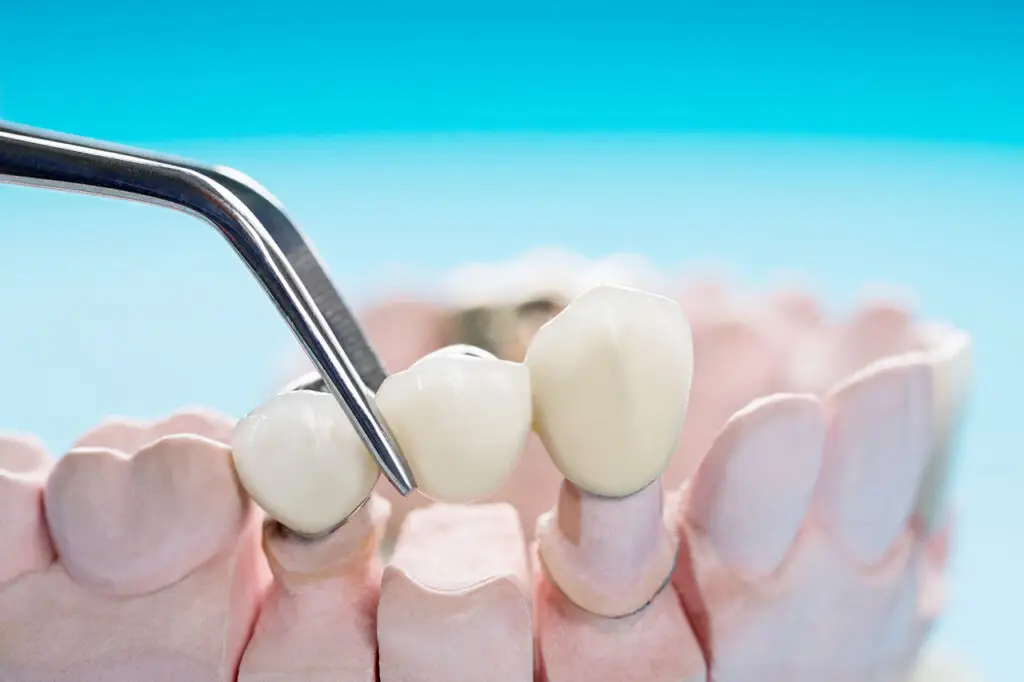
When a tooth is missing, the open space can affect more than your smile. It can change how you chew, how your bite feels, and how neighboring teeth line up over time. A custom dental bridge in Pagosa Springs can replace one or more missing teeth with a fixed restoration that stays in place.
At Black Diamond Dental of Pagosa Springs, dental bridges are part of comprehensive restorative care for patients who want to restore comfort and function. Depending on your needs, a bridge may be supported by natural teeth or, in some cases, by dental implants. In addition, related treatments like dental crowns may be used to protect and strengthen the supporting teeth.
What Is a Dental Bridge?
A dental bridge is a fixed restoration that fills the space left by a missing tooth or several missing teeth. The replacement tooth, called a pontic, is attached to crowns or other supports on each side of the gap. Once the bridge is placed, it does not come in and out like a removable partial denture.
Because a bridge is fixed, many patients appreciate the sense of stability it provides. It can help restore chewing ability, support clear speech, and prevent the open space from feeling distracting during meals. In addition, a bridge can be designed to blend with nearby teeth so the result looks natural.
There are different types of dental bridges. A traditional bridge uses crowns on the teeth next to the gap. An implant-supported bridge may be used when multiple teeth are missing or when implant support is preferred. The right option depends on the number of missing teeth, the health of nearby teeth, bone support, bite pressure, and patient goals.
Why Replacing a Missing Tooth Matters
It can be tempting to ignore a missing tooth if it is not visible when you smile. However, every tooth plays a role in the way your mouth functions. When a tooth is missing, the teeth beside the space may begin to drift. The opposing tooth may also shift because it no longer meets a chewing partner in the same way.
Over time, these changes can affect your bite. A shifted bite can create areas of excess pressure, increase wear on certain teeth, and make cleaning more difficult. In addition, food can collect around open spaces, which may irritate the gums or increase the risk of decay on neighboring teeth.
Missing teeth can also make chewing less efficient. Some patients start chewing more on one side, which can place extra strain on teeth, jaw joints, and restorations. Therefore, replacing a missing tooth is not only about appearance. It is also about preserving balance and comfort.
Benefits of dental bridges
- Fixed tooth replacement: A bridge stays in place and does not need to be removed for daily use.
- Restored chewing function: Filling the gap can make meals more comfortable and balanced.
- Natural-looking design: Bridges can be shaped and shaded to blend with surrounding teeth.
- Helps prevent shifting: Replacing the missing tooth can reduce unwanted movement of nearby teeth.
- Supports speech clarity: Teeth help guide sounds, so replacing missing teeth may improve certain speech changes.
- Custom treatment planning: Bridges can be designed around your bite, oral health, and long-term needs.
Traditional Bridges Versus Implant-Supported Bridges
A traditional dental bridge is often supported by crowns placed on the teeth beside the missing tooth. This can be a good option when those neighboring teeth already need crowns or have large restorations. However, if the neighboring teeth are completely healthy, some patients may prefer to consider an implant because a single implant usually does not require reshaping adjacent teeth.
An implant-supported bridge uses dental implants as anchors instead of natural teeth. This may be helpful when several teeth are missing in a row. It can also provide strong support without relying on neighboring teeth. However, implant treatment requires enough healthy bone and a healing period before the final bridge can be placed.
Both options can be effective. The best choice depends on your oral health, timeline, budget, and preferences. During a consultation, your dentist can explain the pros and limits of each option so you can make an informed decision.
What to Expect When Getting a Dental Bridge
The process begins with a full evaluation. Your dentist examines the missing tooth area, checks the gums, reviews X-rays, and evaluates the teeth that may support the bridge. If a traditional bridge is recommended, the supporting teeth are prepared for crowns. Then an impression or scan is taken so the bridge can be custom made.
A temporary bridge may be placed while the final restoration is being created. This temporary helps protect prepared teeth and maintain appearance. However, it is not as strong as the final bridge, so patients should follow instructions and avoid sticky or hard foods until the permanent bridge is placed.
At the placement visit, the bridge is checked carefully. Your dentist evaluates the fit, contacts between teeth, bite, shape, and appearance. Small adjustments may be made so the bridge feels natural. Once the fit is right, the bridge is bonded or cemented into place.
For implant-supported bridges, the process includes implant planning, placement, healing, and restoration. Although the timeline is longer, the result can offer excellent stability for the right patient.
How to Care for a Dental Bridge
Bridge care is simple, but it requires attention around and under the restoration. Since a traditional bridge is connected, flossing underneath the replacement tooth requires special tools. Your dental team may recommend floss threaders, interdental brushes, or a water flosser to clean under the bridge and around the supporting teeth.
Daily cleaning matters because the supporting teeth can still develop cavities near the gumline. In addition, the gums around a bridge need to stay healthy. If plaque collects around the bridge, inflammation, bleeding, or bad breath may develop.
Regular dental checkups are also important. During these visits, the team can check the fit of the bridge, clean areas that are hard to reach at home, and monitor the health of supporting teeth. If you notice looseness, pressure, soreness, or a change in your bite, schedule an evaluation promptly.
Is a Dental Bridge Right for You?
A dental bridge may be a good option if you are missing one or more teeth and want a fixed solution. It may be especially helpful when the teeth next to the gap already need crowns. However, if you want to avoid using neighboring teeth as support, dental implants may also be worth discussing.
Patients who are not ready for implants or who prefer a shorter treatment timeline may also find bridges appealing. In addition, a bridge can be an effective solution when bone conditions make implant placement more complex. The key is to choose the option that fits your health, function, and maintenance needs.
Black Diamond Dental of Pagosa Springs can help you compare bridges, implants, and dentures in a clear and supportive way. Instead of guessing, you can get a personalized recommendation based on your mouth.
Your Fixed Tooth Replacement Option
A missing tooth can create changes that build slowly, but treatment can help restore balance before those changes become more difficult to manage. A dental bridge offers a fixed, natural-looking way to fill the gap and support everyday comfort.
Ready to replace a missing tooth with a custom dental bridge? Book an Appointment with Black Diamond Dental of Pagosa Springs at (970) 398-2398, or Contact Us to request a visit in Pagosa Springs, CO.